
LED strip controller: RGB lighting control
LED strips are not only an energy-efficient and versatile lighting solution, but also a powerful tool for creating decorative effects. RGB strips are especially relevant, as they allow you to change the color of the glow. However, to control such lighting, you need a LED strip controller, or, as it is often called, an RGB controller.
In this article, we will figure out what an RGB controller is, what types there are, how to choose and connect it correctly, and what additional functions it can perform.
What is an RGB controller?
An RGB controller is an electronic device designed to control the color, brightness, and operating modes of an RGB LED strip. It sends the necessary signals to the corresponding channels (R - red, G - green, B - blue), mixing them to obtain the desired shade.
With the help of the controller you can:
- change the color of the backlight;
- adjust the brightness;
- turn on lighting effects (flashing, smooth color change, waves, etc.);
- synchronize the lighting with music or movement;
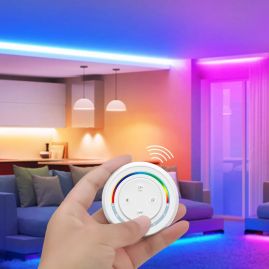
- control the strip using the remote control or the application on the smartphone.
How the RGB controller works
The controller is connected between the power source (power supply) and the LED strip. It receives electrical energy from a power supply (usually 12V or 24V), and then distributes it across the RGB channels depending on the specified settings.
Most controllers have a microprocessor that processes signals from the user and generates control voltage for each color. As a result, you can get millions of shades of color by controlling only three channels.
Types of RGB controllers
1. Wired controllers
This is a basic control option when the user sets the parameters manually through the buttons located on the device body. They are simple and reliable, but less convenient than remote models.
2. Controllers with IR remote control (infrared)
A popular solution for home conditions. The remote control must be in the direct line of sight of the controller, which can limit the convenience when installing in hard-to-reach places.
3. Radio frequency (RF) controllers
Control is via a radio remote control that does not require direct visibility. Range - up to 20 meters. An excellent choice for hidden installation of the strip.
4. Wi-Fi and Bluetooth controllers
The most modern devices that are controlled via mobile applications. Sometimes they support voice control via smart home systems (Google Assistant, Alexa, Siri).
5. Music controllers
They have a built-in microphone and respond to the rhythm of the music, adjusting the glow to the audio signal. A great choice for parties, bars or gaming rooms.
What to look for when choosing an RGB controller?
Strip compatibility
The controller must support the voltage and type of your strip (usually 12V or 24V). It is also important that the number of channels matches the type of strip (e.g. RGB or RGBW).
Power
The controller must be rated for the power consumed by the connected strip. For example, if your strip consumes 60 W, the controller must withstand at least this load (preferably with a reserve of 10-20%).
Control type
Choose between push-button, remote or smartphone control depending on convenience and budget.
Additional functions
- On/off timer;
- Lighting scenarios;
- Ability to synchronize with other devices;
- Group control of several zones.
Connecting the controller: step-by-step instructions
- Connect the power supply to the controller, observing the polarity: «+» and “–”.
- Connect the LED strip to the controller output, following the markings (R, G, B, +).
- Check the connections and make sure there is no short circuit.
- Turn on the power — the controller will start sending signals to the strip, and you can start setting it up.
⚠️ Important: if the strip length exceeds the permissible length for one controller, you should use signal amplifiers.
Popular scenarios for using RGB controllers
- Bedroom or living room ceiling lighting with smooth color change;
- Kitchen lighting with the ability to change the mood - from warm white to bright color;
- Gaming zones with dynamic lighting that responds to music or a game;
- Decorative lighting of furniture, niches, steps, cabinets;
- Design of shop windows and retail spaces with spectacular lighting dynamics.
Conclusion
The RGB controller is a key device for full control of the LED strip. It allows you to customize the lighting for specific tasks and mood, expanding the possibilities of decor, ergonomics and even home automation. A properly selected controller will provide convenience, reliability and an impressive visual result.
When choosing an RGB controller, focus on compatibility, power, ease of control and the presence of additional functions - and your LED strip will reveal its full potential!


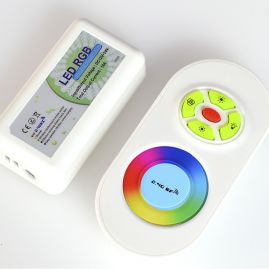
- Load current: 10А
- Load current: Wall mount
- Number of control channels: RGB (3 channels)
- Number of control zones: 1
- Series: Touch
- Type: Remote control + receiver set
- Nutrition: 12-24V DC
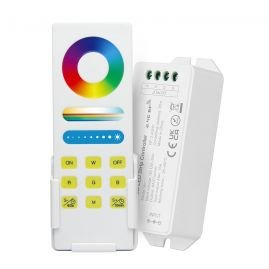
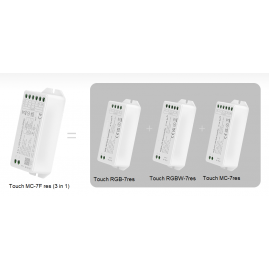
- Load current: 15А
- Load current: Wall mount
- Load supply voltage: 12-24В
- Number of control channels: 3 in 1
- Number of control zones: 1
- Series: Touch
- Type: Remote control + receiver set
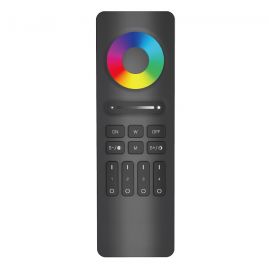
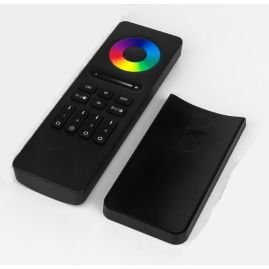
- Load current: Wall mount
- Number of control channels: RGB (3 channels) RGBW (4 channels) MC(RGBWW)(5 channels)
- Number of control zones: 4
- Series: Touch
- Type: Remote controller
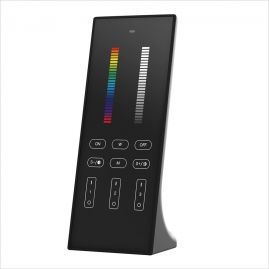
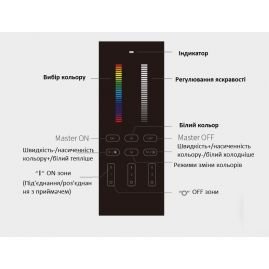
- Load current: Desktop
- Number of control channels: RGB (3 channels) RGBW (4 channels) MC(RGBWW)(5 channels)
- Number of control zones: 3
- Series: Touch
- Type: Remote controller
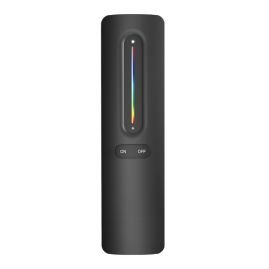
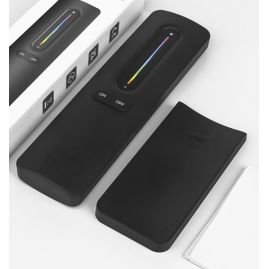
- Load current: wall mount
- Number of control channels: RGB (3 channels) RGBW (4 channels) MC(RGBWW)(5 channels)
- Number of control zones: 1
- Series: Touch
- Type: Remote controller
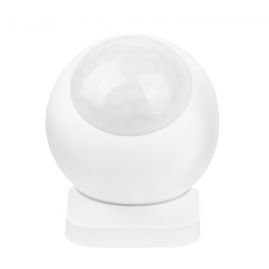
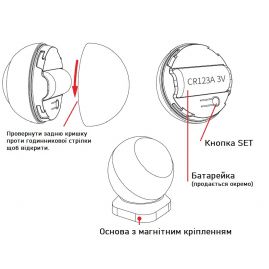
- Load current: wall invoice
- Number of control zones: 1
- Series: Touch

- Load current: 15А
- Load current: Wall mount
- Load supply voltage: 12-24В
- Number of control channels: MC(RGBWW)(5 channels)
- Number of control zones: 1
- Series: Touch
- Type: Remote control + receiver set

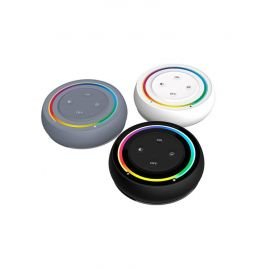
- Load current: Wall mount
- Number of control channels: RGB (3 channels) RGBW (4 channels) MC(RGBWW)(5 channels)
- Number of control zones: 1
- Series: Touch
- Type: Remote controller
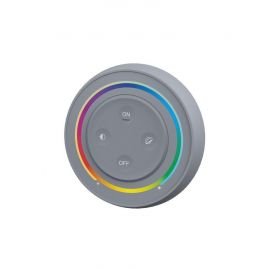
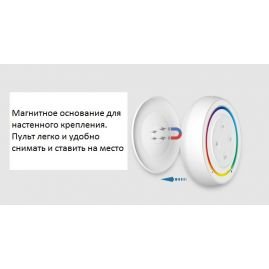
- Load current: to wall mount
- Number of control channels: RGB (3 channels) RGBW (4 channels) MC(RGBWW)(5 channels)
- Number of control zones: 1
- Series: Touch
- Type: Remote controller
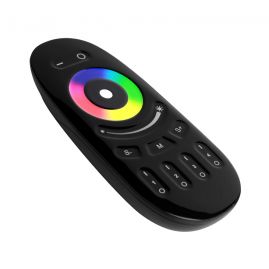

- Load current: Wall mount
- Number of control channels: RGB (3 channels) RGBW (4 channels)
- Number of control zones: 4
- Series: Touch
- Type: Пульт
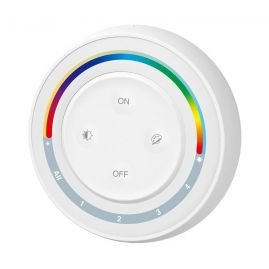
- Load current: to wall mount
- Number of control channels: RGB (3 channels) RGBW (4 channels) MC(RGBWW)(5 channels)
- Number of control zones: 4
- Series: Touch
- Type: Remote controller

- Load current: to wall mount
- Number of control channels: RGB (3 channels) RGBW (4 channels)
- Number of control zones: 4
- Series: Touch
- Type: Remote controller