
LED lamps: a modern choice for economical and efficient lighting
LED lamps (or LED lamps) have become the standard in the world of lighting, replacing outdated incandescent, halogen and fluorescent analogs. They have gained popularity due to their energy efficiency, durability, safety and a wide range of models for any task - from home lighting to industrial and street lighting.
In this article, we will figure out what an LED lamp is, what its advantages are, what types there are, where it is used and how to choose the right model.
What is an LED lamp?
An LED lamp is a lighting device in which the light source is a semiconductor element - light-emitting diode (LED). These devices convert electrical energy into light with minimal losses and virtually no thermal radiation.
LED lamps with a standard base. This allows them to be used instead of conventional incandescent lamps - without replacing the lamp.
Advantages of LED lamps
1. Energy saving
LED lamps consume 5-10 times less energy than incandescent lamps, while providing the same level of illumination.
2. Long service life
Average service life - from 25,000 to 50,000 hours. This is 10-25 times longer than conventional lamps.
3. Low heat level
LEDs generate almost no heat, which reduces the risk of burns and makes them safe to use near fabrics, furniture or wood.
4. Environmentally friendly
LED lamps do not contain mercury, unlike fluorescent lamps, and do not require special disposal.
5. No flickering or UV radiation
Modern models provide a constant light flux, without pulsation harmful to the eyes, and do not emit ultraviolet radiation, which is important for health.
Types of LED lamps
LED lamps are classified according to several features.
1. By socket type
- E27, E14 - standard sockets for household lamps.
- GU10, MR16 - for spotlights.
- G4, G9 - for decorative and compact lamps.
- T8, T5 - tubular lamps for office premises and production facilities.
2. By body shape
- Pear (A60) - classic look, similar to an incandescent lamp.
- Ball (G45) - for chandeliers and sconces.
- Candle (C37) - for decorative lamps.
- Tubular - for ceiling systems and rulers.
3. By type of glow
- Warm light (2700-3000K) - cozy, soft, suitable for home.
- Neutral white (4000K) - universal, comfortable for work and rest.
- Cold white (6000-6500K) - bright, stimulating attention, often used in offices and production.
Application areas
LED lamps are applicable almost everywhere:
1. Home lighting
Lamps with warm light create a cozy atmosphere in bedrooms, living rooms and kitchens.
2. Offices and work spaces
Neutral or cool white light helps to stay alert and focused throughout the day.
3. Commercial facilities
LED lamps are used to illuminate shop windows, halls, corridors, improving the presentation of goods and creating a comfortable environment.
4. Street and industrial lighting
Powerful models with a high degree of protection (IP65 and above) provide reliable light in open spaces and difficult conditions.
How to choose an LED lamp?
1. Power
An important reference point is the equivalent power. For example, an 8-10 W bulb replaces a 60-watt incandescent bulb.
2. Brightness
Measured in lumens (lm). The higher the value, the brighter the bulb. For general room lighting, choose at least 800-1000 lm.
3. Color temperature
Determines the shade of light. It is selected depending on the purpose of the room.
4. Beam angle
If you need directional light, choose bulbs with an angle of up to 60°. Models with an angle of 120° or more are suitable for general lighting.
5. Color rendering index (CRI)
The higher the indicator (maximum 100), the more accurately the colors of objects are rendered. A good level is from 80 Ra.
6. Availability of a dimming function
If the lamp has a dimmer, it is important that the lamp is dimmable - this is indicated on the packaging.
Operating tips
- Do not use LED lamps in closed lampshades that are not designed for diodes - this can lead to overheating.
- Regularly clean the lamps from dust - this extends the service life.
- Do not connect dimmable lamps to conventional backlit switches - interference and flickering are possible.
Conclusion
LED lamps are a cost-effective, durable and safe solution for any type of lighting. They save energy, last for years, do not heat up and create a comfortable lighting environment in the home, office or production.
With a variety of shapes, bases, power and glow temperatures, you will always find the right option. If you are planning to modernize your lighting - LED lamps will be a great investment in comfort and savings.


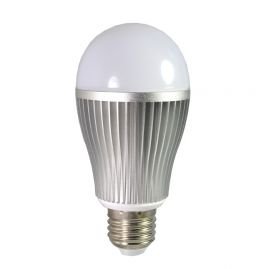
- Cartridge: E27
- Nutrition: 220V
- Glow color: RGBW

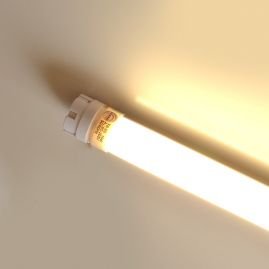
- Cartridge: G13
- Nutrition: 220V
- Glow color: Белый

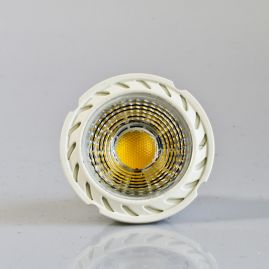
- Cartridge: MR16
- Nutrition: 12V
- Glow color: Белый
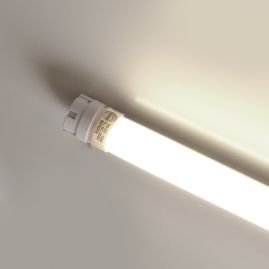
- Cartridge: G13
- Nutrition: 220V
- Glow color: Белый

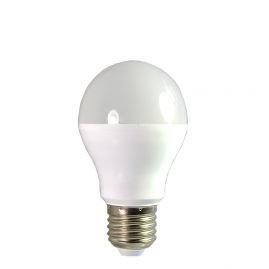
- Cartridge: E27
- Nutrition: 220V
- Glow color: RGBW

- Load current: to wall mount
- Number of control channels: RGB (3 channels) RGBW (4 channels)
- Number of control zones: 4
- Series: Touch
- Type: Remote controller

- Nutrition: 12-24V DC
- Glow color: RGB

- Cartridge: E14
- Nutrition: 220V
- Glow color: Белый

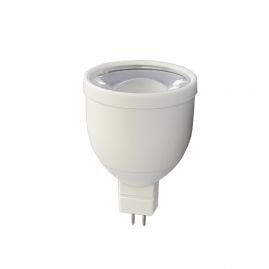
- Cartridge: Mr16
- Nutrition: 12V
- Glow color: RGBW

- Cartridge: G13
- Nutrition: 220V
- Glow color: Белый

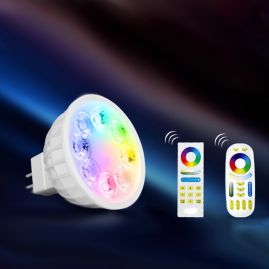
- Cartridge: Mr16
- Nutrition: 12V
- Glow color: RGB + CCT

- Cartridge: MR16
- Nutrition: 12-24V DC
- Glow color: Белый