Flexible neon 12V and 24V: a stylish solution for lighting and decoration
In recent years, flexible neon has become one of the most popular solutions in decorative and architectural lighting. Thanks to the aesthetics of classic neon and the safety of LED technology, it is used in the design of interiors, signs, shop windows, cars and even clothing. The 12 and 24 volt options are especially in demand, as they are easy to connect, safe and versatile in use.
In this article, we will examine in detail the differences between flexible neon 12V and 24V, in what situations it is better to use each type, and what you should pay attention to when buying.
What is flexible neon?
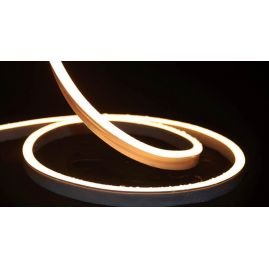
Flexible neon is a type of LED strip enclosed in a soft silicone or PVC shell. Visually, it resembles glass neon tubes, but is much more convenient, safe and energy efficient. Such neon can be:
- Monochrome - one color;
- RGB or RGBW - with the ability to change color;
- Addressable (pixel) - with control of each segment.
Flexible neon varies in shape and section sizes and can be:
- Flat with a wide glow side
- Flat with a narrow glow side
- Round with a glow angle from 180 to 360 degrees
- Semicircular, square, rectangular, triangular
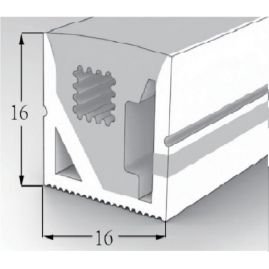
- Section sizes vary from 4 to 40 mm
Advantages of flexible neon
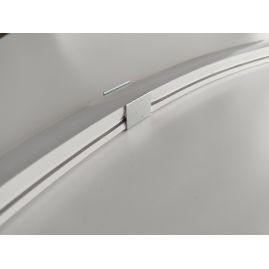
- Flexibility and shape — easily bent, suitable for figured structures, logos, letters.
- Safety — low voltage (12V or 24V) eliminates the risk of electric shock.
- Brightness and uniform glow - creates a smooth, non-point light stream.
- Durability - service life up to 50,000 hours.
- Moisture protection - most models have a protection level of IP65 and above.
Flexible neon 12 volts
Features
Flexible neon 12V is the most common solution for household and decorative use. It is well suited for small projects where a long connection line is not required.
Advantages:
- Ease of connection - easily works from a standard 12V power supply;
- High compatibility with dimmers, controllers, sensors;
- Easy to cut - the cutting step is more frequent (usually 2.5-5 cm), which allows you to precisely adjust the dimensions.
Limitations:
- Voltage loss over long lengths - the glow may weaken as it moves away from the power point;
- It is recommended to use sections up to 5 meters.
Where it is used:
- Furniture, niche, ceiling lighting;
- Built into furniture;
- Illuminated signs and neon inscriptions;
- Car tuning: interior, trunk, underbody lighting;
- DIY projects and creative installations.
Flexible neon 24 volts
Features
24V flexible neon is ideal for professional use and large illumination areas. It allows you to lay longer lines without losing brightness.
Advantages:
- More stable glow with long connections;
- Reduced voltage losses - less brightness drop over distance;
- Often used in commercial and outdoor projects.
Limitations:
- Requires a 24V power supply,
- The cutting step is usually larger - about 10 cm, which limits the accuracy of cutting.
Where it is used:
- Architectural lighting of facades, shop windows;
- Long contour lines (for example, along the perimeter of a building);
- Lighting of retail areas, stages and exhibition stands;
- Street lighting (with IP67+ protection).
How to choose the right option?
When choosing flexible neon, consider:
- Application area - 12V is suitable for interiors and small objects; 24V is suitable for street architecture.
- Line length - if you need to illuminate more than 5 meters - it is better to use 24V;
- Light type - monochrome, RGB or addressable;
- Protection level - for outdoors and wet areas - IP65-67 and above;
- Compatibility with controllers - especially important for RGB/RGBW control.
Installation and connection
Flexible neon is usually connected via:
- Power supply (of appropriate voltage);
- Controller (for RGB and dynamic control);
- A dimmer can be used with single-color flexible neon
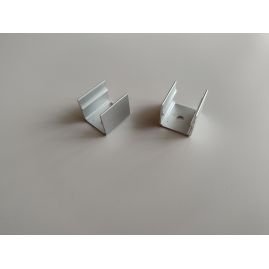
- Terminals or soldering - depending on the model.
It is important to select the correct cable cross-section and take into account the power per meter (usually 10-15 W/m). For long lines, use signal amplifiers and parallel power supply.
Conclusion
Flexible neon for 12V and 24V is a convenient, safe and stylish solution for decorative and architectural lighting. 12V is ideal for home and compact projects, and 24V is ideal for long lines and outdoor use. Choose neon depending on the task, connection length and operating conditions, and it will serve you for a long time, giving your space brightness and individuality.

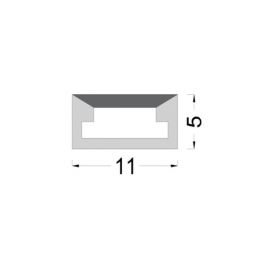
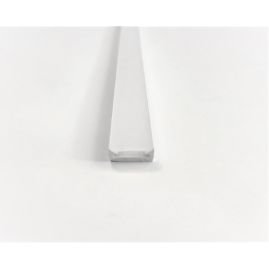
- Brightness, Lm/m: 500 - 850 Лм/м
- Nutrition: 12V DC
- Consumption, W/m: 9,6
- Current, A/m: 0,8
- Protection (IP): IP67
- LED type: 3528/2835
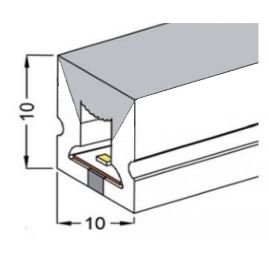

- Brightness, Lm/m: 620 Лм/м
- Consumption, W/m: 9,6
- Current, A/m: 0,4
- Protection (IP): IP67
- LED type: 3528/2835
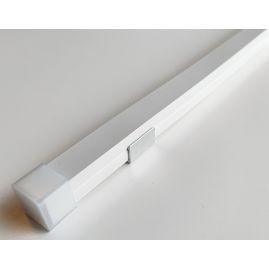
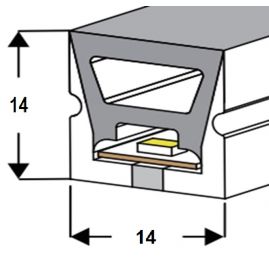

- Brightness, Lm/m: 500 - 900 Лм/м
- Nutrition: 12V DC
- Consumption, W/m: 12
- Current, A/m: 1
- Protection (IP): IP67
- LED type: 2835
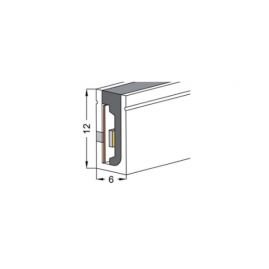

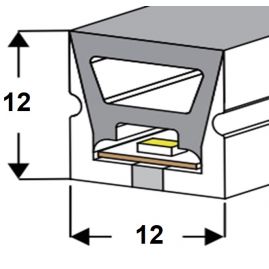
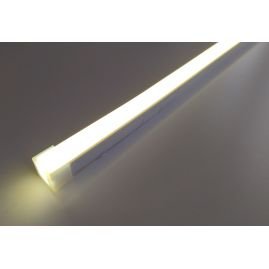
- Brightness, Lm/m: 500 - 1250 Лм/м
- Nutrition:
- Consumption, W/m: 14,4
- Current, A/m: 0,6
- Protection (IP): IP67
- LED type: 2835
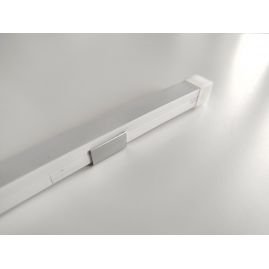
- Brightness, Lm/m: 450 Лм/м
- Nutrition: 24V DC
- Consumption, W/m: 24
- Current, A/m: 1
- Protection (IP): IP67
- LED type: 3838
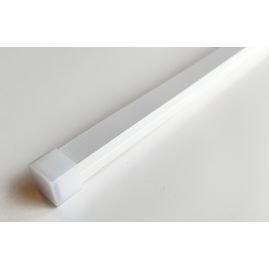
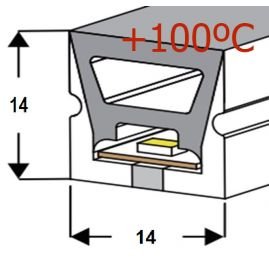
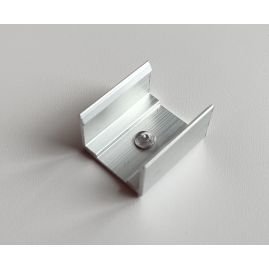
- Beam angle: 170
- Glow color: 2700К
- Brightness, Lm/m: 850 Lm/m
- Supply voltage: 24V DC
- Protection (IP): IP67